

View our full range of products
including made to order items
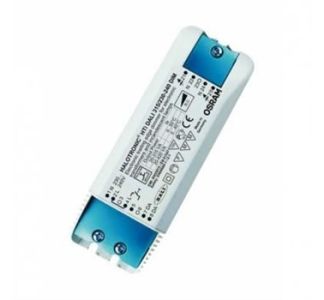
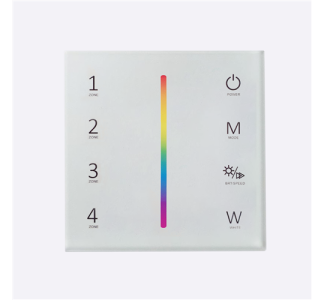
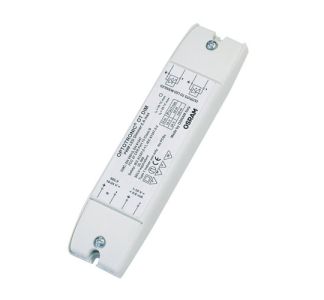
Take full command of your LED lighting with Penn Elcom’s LED controls - professional and precision solutions designed to enhance flexibility, performance and customisation in your lighting installations. Our range includes controllers, converters, sensors, dimmers and control accessories that enable smooth dimming, colour changes, pattern selection and system integration for LED strips and modules.
A New Shopping Experience!
Select ‘Full Catalogue’ to view our full catalogue including items subject to custom manufacturing, POA and longer lead times.
Select ‘Buy Online’ to view all products available to purchase online today.
Ideal for architectural, decorative and commercial applications, our range of LED controls are engineered for performance and compatibility with a wide variety of LED systems and products. Explore our selection to find the perfect LED control solutions that elevate the functionality and creativity of your lighting installations.
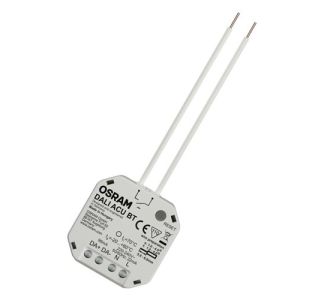
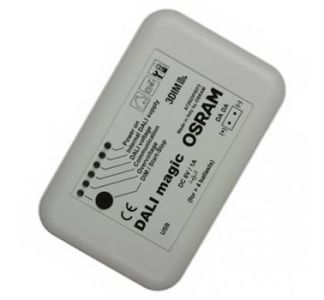
Our LED controls range covers everything needed to switch, dim, colour-control and automate an LED installation. It includes DALI and DALI-2 controllers, interfaces and accessories, DMX dimmers and decoders, RF receivers and zone controllers, wireless Bluetooth options, motion and daylight sensors, DALI to mains and DALI to analogue converters, and relay modules for switching non-dimmable loads. If you are not sure which parts you need, contact [email protected] and our team can put together a compatible list.
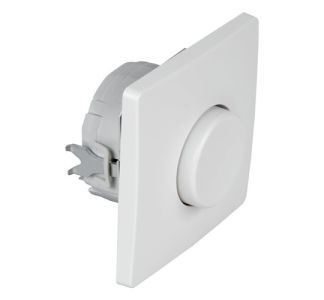
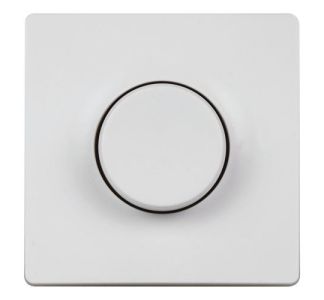
Dimming needs two things: a dimmable LED driver and a control method that matches it. The driver sets which dimming type is possible, for example mains or phase-cut, 0-10V or 1-10V, DALI, or a built-in RF or Bluetooth receiver. The control, such as a wall dimmer, potentiometer, push-button, sensor or app, then tells the driver what to do. Choose the driver and control together so they use the same protocol. Contact [email protected] with your strip and driver details and the team can confirm a compatible dimming setup.
DALI (Digital Addressable Lighting Interface) is a digital control protocol that dims and controls individual luminaires or groups independently over a simple two-wire bus. Unlike mains dimming, it can address up to 64 devices on a single line without a separate dimmer per circuit, and it integrates with building management systems. It suits larger or more complex installations where zoned control or future flexibility is a priority. For simpler single-zone projects, mains dimming is usually more practical. Contact [email protected] to discuss what is right for your project.
It depends on the complexity of your installation:
Contact [email protected] with your requirements and the team can advise.
DMX (DMX512) is a fast protocol built for dynamic colour and scene control. It suits entertainment, hospitality and feature architectural lighting where you need quick colour changes, effects or synchronised shows across many channels. For everyday architectural dimming and energy management, DALI or a simple analogue system is usually the better fit. We stock DMX dimmers and decoders for RGB and RGBW strips. Contact [email protected] to match a DMX decoder to your installation.
It depends on the control input your driver accepts and the type and voltage of your LED strip. A control system can only dim a driver that supports the same method, for example DALI, 0-10V or phase-cut. Colour control also needs a strip and decoder that match, such as RGB, RGBW or tunable white at the correct voltage. If you can share your driver model and strip specification, contact [email protected] and the team will confirm compatibility before you order.
DALI-2 is the newer version of the standard, and it covers more of the system. The original DALI standard set rules mainly for drivers, so sensors and controllers from different brands often did not work together reliably. DALI-2 extends testing to those input and control devices too, and every product is independently tested before it can carry the DALI-2 logo. Older and newer equipment will still dim together, but you only get the full DALI-2 benefits when the whole system is DALI-2.
The difference is how colour is handled:
DT8 reduces the number of DALI addresses you need, which simplifies commissioning and can lower cost on larger colour or tunable white installations.
Colour control depends on your strip type and the matching decoder or driver:
You can drive these over DALI (a DT8 driver keeps colour and brightness on a single address), DMX, or RF and Bluetooth systems for standalone rooms. Match the number of channels on the strip to the decoder, then choose the control interface that suits the space. Contact [email protected] with your strip type and the team can specify a compatible controller.
Yes. We offer Casambi, a wireless Bluetooth mesh system that needs no additional control wiring, which makes it well suited to retrofit and heritage projects where running new cable is difficult. Contact [email protected] to discuss a wireless setup for your installation.
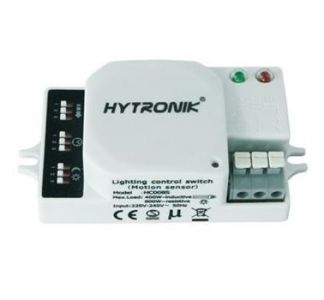
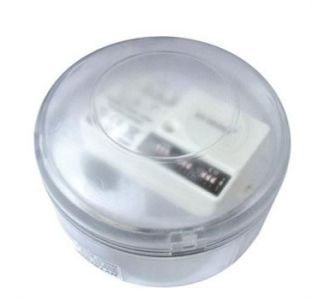
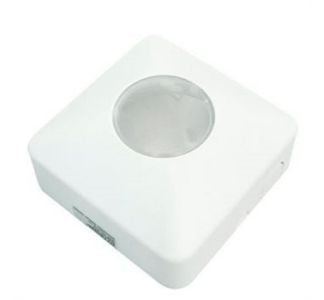
Yes. We stock Hytronik microwave motion sensors, used to switch or dim lighting based on occupancy so lights are only on when a space is in use. Contact [email protected] for help selecting the right sensor for your installation.
Use the Lunatone DALI-2 Sensor Interface. It acts as a converter between the DALI system and conventional sensors or pushbuttons that have no DALI communication of their own, closing the gap so they can trigger the DALI system. It fits behind a light switch in a standard flush box. Contact us for current pricing.
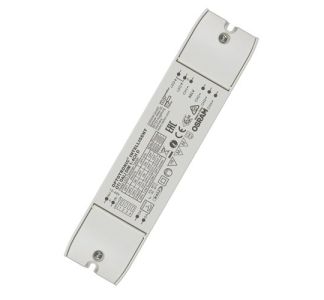
Yes. We offer Lunatone DALI to mains converters in 25W and 300W versions. These let a mains dimmable driver run within a DALI-controlled system without rewiring. Contact [email protected] to confirm the right converter for your load.
Yes. We stock the ProbitSite DALI-2 multimeter, which connects directly to the DALI line and automatically detects problems with the installation, which is useful for commissioning and diagnosing problems. Contact us for advice on using it or specifying one for your project.
A fitting that stays on usually points to a sensor or wiring issue rather than a fault with the light. Common causes include:
Contact [email protected] with your driver and sensor model and the team can help diagnose the issue.
sgm_clp_1 div for segmentify