

View our full range of products
including made to order items
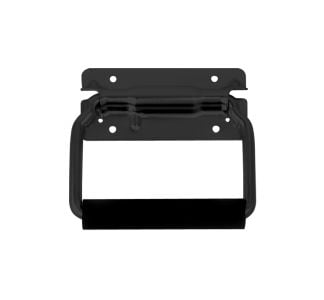
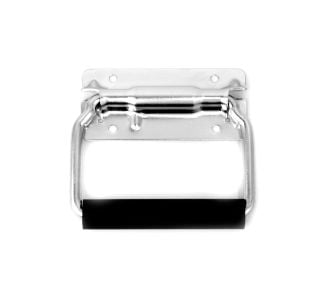
Discover Penn Elcom’s range of specialist crating hardware, engineered to meet the demands of transport, shipping and storage professionals. From heavy-duty crate handles to robust hinges and spring locks, our hardware is manufactured from premium materials to ensure strength, security and long-term durability.
A New Shopping Experience!
Select ‘Full Catalogue’ to view our full catalogue including items subject to custom manufacturing, POA and longer lead times.
Select ‘Buy Online’ to view all products available to purchase online today.
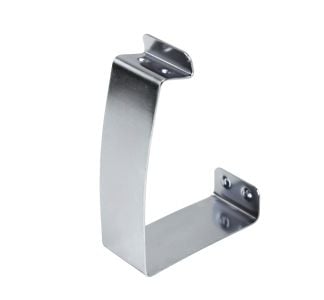
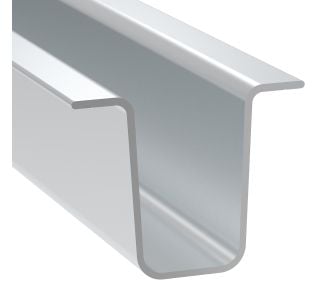
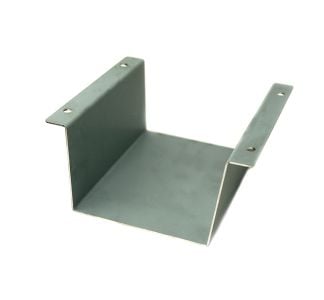
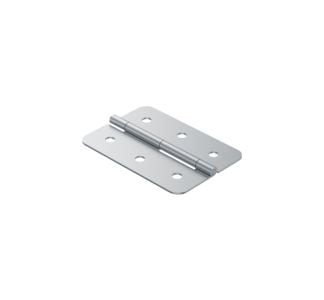
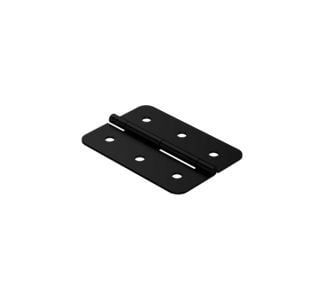

Designed to withstand the rigours of transportation, Penn Elcom crate hardware helps maintain structural integrity and protect valuable contents throughout transit. Explore our range to find reliable, high-quality crating hardware solutions trusted by industry professionals worldwide.
Crating hardware is the set of components used to build, close, reinforce and move wooden shipping crates. It includes locks, latches, hasps, hinges, handles, brackets, pallet cushions, skids and castors. Penn Elcom manufactures and supplies crating hardware for crate builders, shipping professionals and manufacturers who need durable, reusable parts for transporting and storing equipment.
Most reusable crates need a way to hold the panels together, such as cleat locks or spring locks, plus latches or a hasp to close the lid and hinges if it opens. Handles make the crate easier to carry, and heavy-duty brackets reinforce corners and joints under load. Heavier crates also benefit from pallet cushions or skids for forklift handling, and from castors if the crate needs to be rolled. Foam and glue can be used to line the interior.
Both are reusable fasteners that hold crate panels together without nails or screws, which makes a crate quicker to assemble and dismantle than one built with traditional methods. A nailed or screwed crate has to be fastened panel by panel, and taking it apart often damages the wood, so it is often a single-use crate. With cleat locks or spring locks, the same crate can be assembled, taken apart for storage or return shipping, and rebuilt many times.
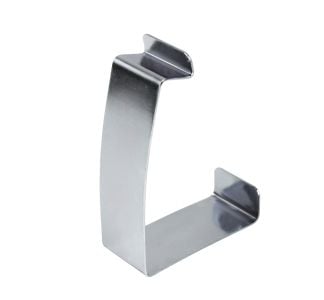
Cleat locks reinforce the panel joints and maintain strength under load. Spring locks are spring-loaded clamps made from spring steel, available in small, medium and large sizes, and designed for quick assembly and easy access. Choose between them based on panel size, crate weight, and how often the crate will be assembled and opened.
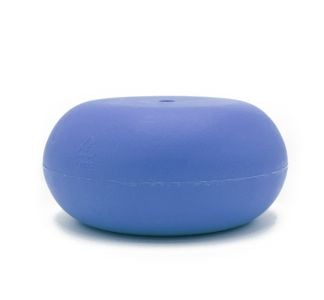
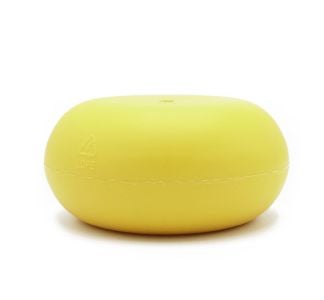
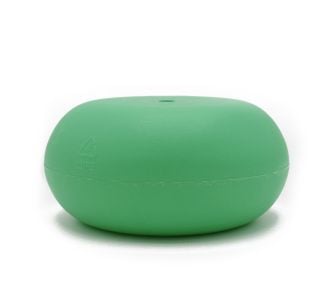
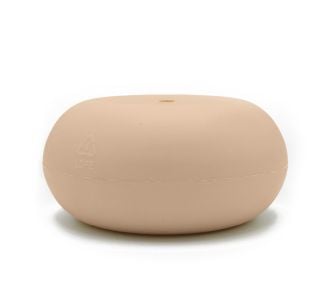
Pallet cushions are matched to the weight each one carries. Divide the total weight of the crate and its contents by the number of cushions you plan to fit, and check that the result sits inside the cushion's load range:

For example, a 160 kg crate on four cushions puts 40 kg on each, which suits the blue range. Fit the cushions in a balanced pattern so the load is shared evenly.
The difference is how the cushion is mounted. M8 cushions have a metric T-nut and suit builds that use metric bolts, which is the usual choice in the UK and Europe. UNC cushions have a 5/16-18 UNC T-nut for inch-size bolts, and the no T-nut versions are supplied without one.
Yes, when the cushions are fitted with the Penn Elcom pallet cushion spacer (7228). Each cushion is approximately 73 mm tall, and with the spacer the combined height is approximately 100 mm, which creates a four-way opening under the crate for a pallet truck or forklift. For larger, heavier crates, metal skids and forklift pockets are an alternative.
The clearance under a crate must be greater than the fork thickness of the forklift or pallet truck that will lift it, so check the equipment before finalising the base. Many guides recommend around 90 to 100 mm. Pallet cushions fitted with the Penn Elcom spacer (7228) give an opening of approximately 100 mm, and metal skids and forklift pockets are an alternative for heavier crates.
Size the crate base to a standard pallet footprint so it can be handled by pallet trucks and loaded efficiently. In the UK and Europe the common sizes are the EUR pallet at 800 x 1200 mm and the UK standard pallet at 1000 x 1200 mm. Penn Elcom's crating range includes 800 x 1200 mm EUR pallets, 800 x 600 mm EUR 6 pallets, and larger 1250 x 2000 mm and 1250 x 2500 mm pallets.
Padlock hasps and staples fit to the lid and body of a crate so it can be closed with your own padlock. Penn Elcom also supplies catch plates with an integrated padlock hasp, and padlockable latches. A padlock deters casual access but is not a tamper-evident seal, so use a separate seal where proof of tampering matters.
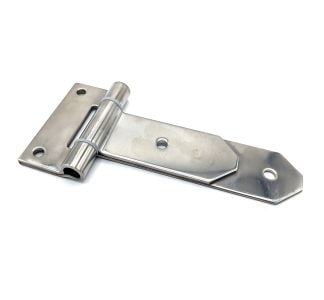
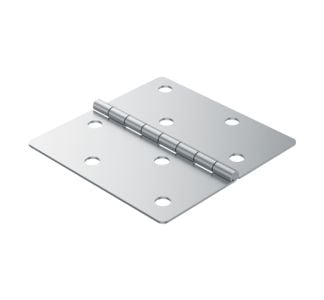
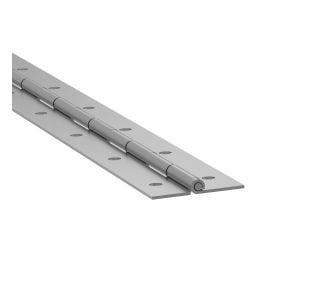
Match the hinge to the weight of the lid and how often the crate will be opened. Penn Elcom's crating hinges include collapsible piano hinges and strap hinges. A piano hinge supports the lid along its full length, while strap hinges are fitted at intervals and suit lids that do not need continuous support.
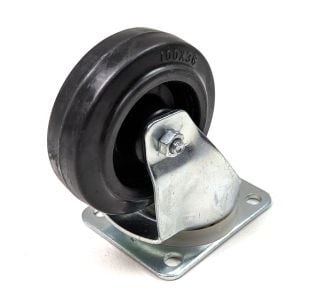
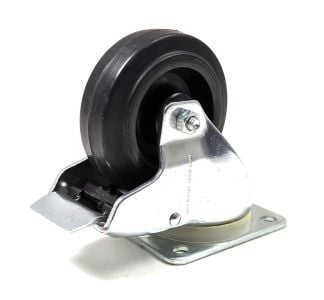
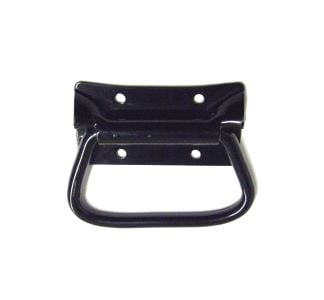
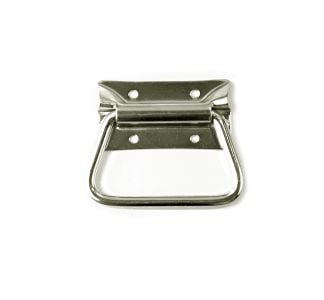
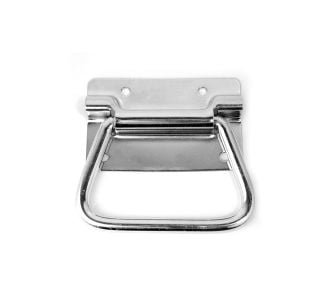
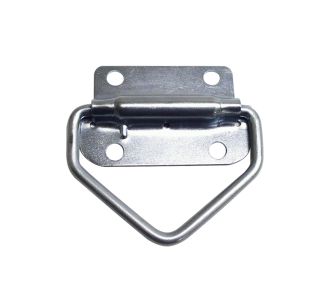
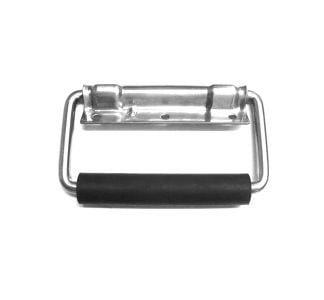
Choose hardware for the weight of the loaded crate. Crate handles suit hand carrying of lighter crates, while heavier crates should be moved by forklift or pallet truck using skids, forklift pockets, or pallet cushions with spacers. Castors let you roll a crate around a workshop or venue, and D-rings provide a pulling point. Check the rated load of every component against the weight of the loaded crate before use.
A crate is a durable, lower-cost alternative to a flight case for shipping and storing heavy, large or one-off items. Flight cases suit equipment that is packed, transported and set up repeatedly, such as touring audio and lighting. Penn Elcom supplies hardware for both, so you can build either from one source.
Yes. Some crating items are made to order or available on request, and Penn Elcom offers custom manufacturing for components that are not shown online. Select "Full Catalogue" on the category pages to see items subject to custom manufacturing, POA and longer lead times, or contact the team with your requirements.
Penn Elcom’s crating catch plates are available for 12 mm and 15 mm panels, so plywood in these thicknesses suits builds that use them. Plywood is generally preferred over OSB, MDF and particleboard for crates, as these materials don’t hold screws as well. Check the product page for the panel thickness each part suits before ordering.
Penn Elcom’s crating range includes surface latches, padlockable latches, latches supplied with catch plates, and butterfly catches. Choose a latch based on how securely the lid needs to close, whether the crate needs to be locked, and the thickness of the panels it will be fitted to. A padlockable latch or a catch plate with a padlock hasp suits crates that need to be locked for added security.
Line the inside of the crate with foam so the equipment is held firmly and cushioned from impact and vibration, and make sure screws and nails cannot touch the item or items inside the crate. Penn Elcom supplies crate foam and bonding adhesives for lining the crate, and pallet cushions help absorb shocks to the whole crate during handling and transport. Leave no gaps where the equipment could move.
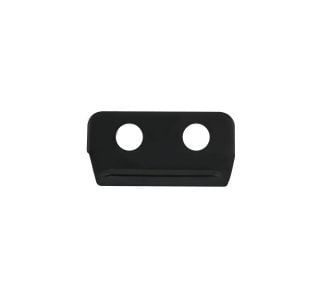
Many crating parts are made from steel with a protective finish. Penn Elcom’s spring locks are steel with a zinc finish, and some parts, such as catch plates, are also available in black. A finish helps protect steel from corrosion, but crates stored or shipped in wet or coastal conditions should be kept dry and inspected regularly. Finish options vary by product, so check the product page.
sgm_clp_1 div for segmentify